
Introduction
Preparing your home for hurricane season is part of living in Florida. Strong winds and flying debris can damage windows and doors, making hurricane shutters an important consideration. Your home's construction, opening sizes, budget, and preferred level of convenience all matter when choosing a suitable system.
This guide covers shutter types, installation, costs, and choosing an installer in Pasco County, including New Port Richey, Port Richey, Wesley Chapel, Land O’ Lakes, and Trinity. Making these decisions before a storm is forecast can help you avoid rushed choices and understand what your property actually needs.
Why Are Hurricane Shutters Important for Florida Homes?
Hurricane winds and windborne debris can damage windows and glass doors. If an opening breaks, wind and rain may enter the home and cause further damage. A suitable hurricane shutter system can help protect openings against specified wind pressures and, when approved for that purpose, windborne debris.
Protection varies by product. Review the specifications and approval documents, and confirm the requirements that apply to your property. Planning early gives you more time to compare products and arrange installation. It also gives you an opportunity to ask questions about maintenance and how the system should be secured when a storm warning is issued.
What Are the Different Types of Hurricane Shutters?
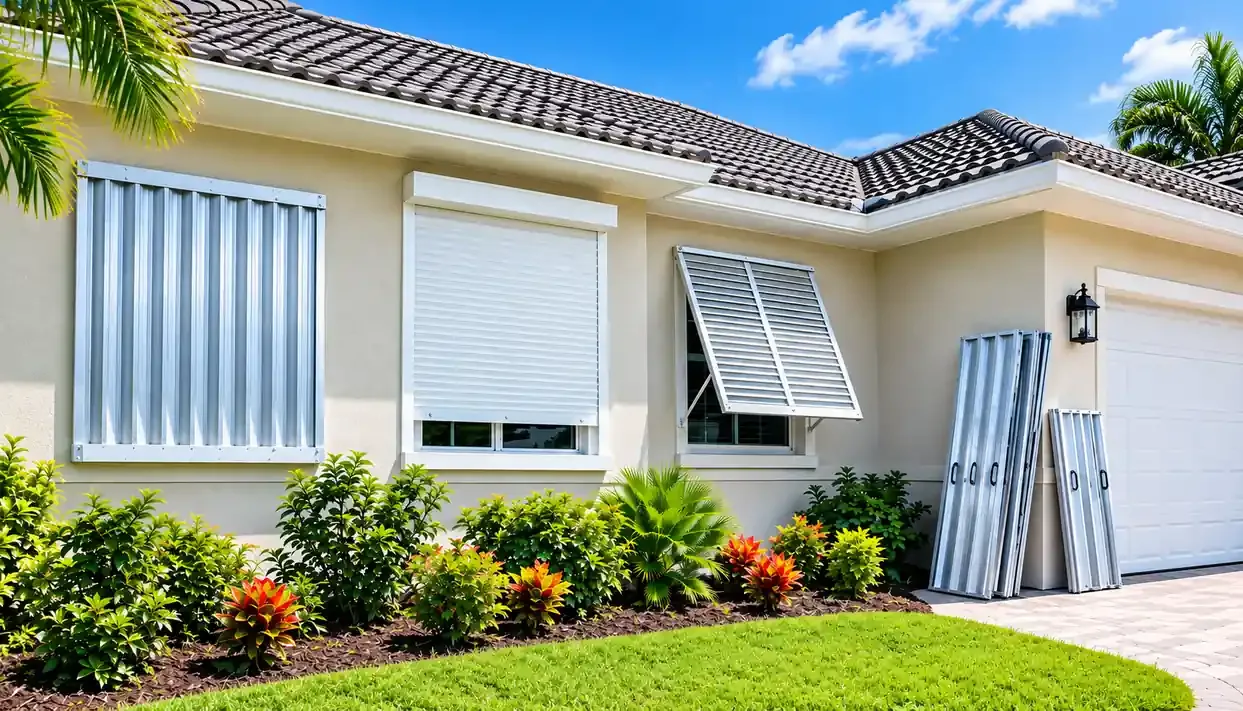
Hurricane shutters differ in convenience, appearance, storage needs, and cost. Consider how you'll operate and maintain the system, not just its purchase price.
Accordion Hurricane Shutters
Accordion shutters fold beside a window or door when not in use and slide across the opening when protection is needed. They stay attached to the home, so separate storage isn't necessary. Check track clearance, locking hardware, and maintenance needs.
Roll-Down Hurricane Shutters
Roll-down shutters move vertically and may operate manually or with a motor. They suit homeowners who prefer not to handle individual panels. Ask about controls, maintenance, operation during a power outage, and any electrical work required.
Bahama Hurricane Shutters
Bahama shutters sit above windows and open outward, creating an awning-like appearance that can provide shade. Check product documentation to ensure the chosen model meets your property's protection requirements.
Colonial Hurricane Shutters
Colonial shutters attach to either side of a window and swing closed when needed. Their traditional appearance suits many homes, but check the space around each window, mounting requirements, and ease of operation.
Storm Panels
Storm panels are removable coverings installed before a storm and may be made from metal or other approved materials. They can be practical if you have storage space and can handle the panels. Label each one for its opening and keep the hardware organized. Also confirm how many people are needed to handle and install the panels safely, especially for larger windows.
Your choice depends on your home's layout, budget, and preferred convenience. Read our guide to impact windows vs. hurricane shutters to compare these options.
How Does Professional Hurricane Shutter Installation Work?
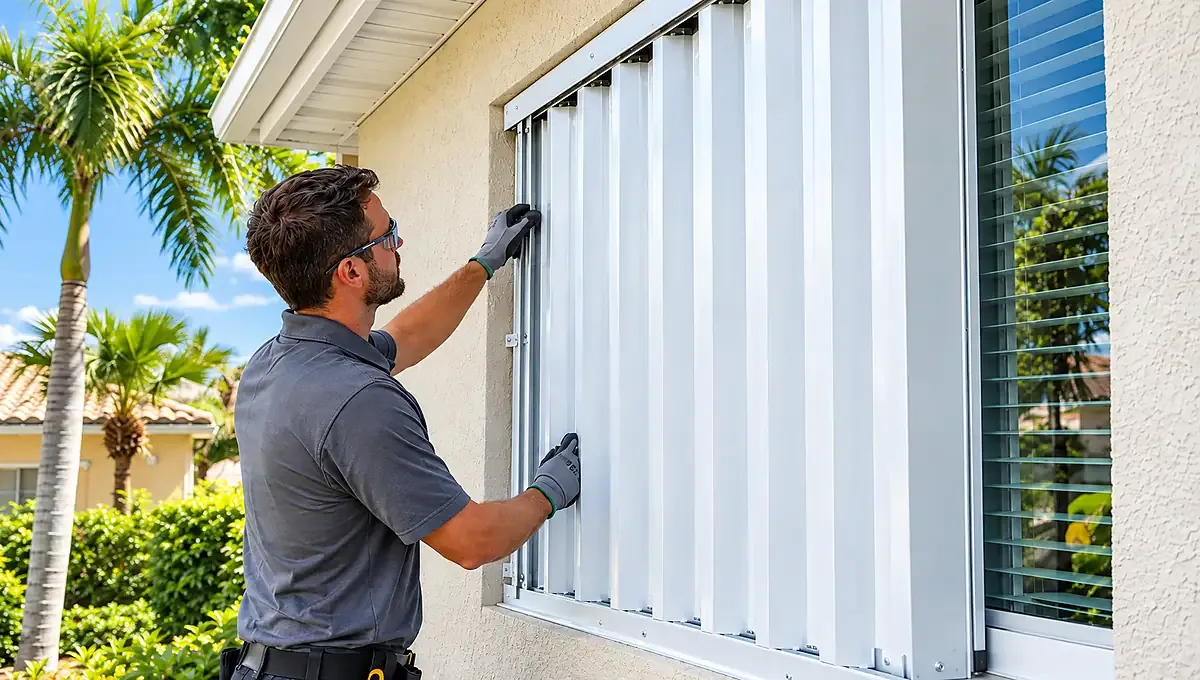
Professional installation includes assessing openings, selecting a suitable product, and following manufacturer instructions and applicable building requirements.
Step 1: Inspect the Windows and Doors
The installer checks opening dimensions, wall construction, exterior finishes, and accessibility. Mention existing damage or unusual features so potential issues can be considered before products are ordered. If your home has older windows or a distinctive exterior finish, raise that during the visit.
Step 2: Measure the Openings and Select a System
Accurate measurements help determine product size and mounting arrangements. Discuss budget, operating preferences, storage, and maintenance. Different openings may need different solutions, so selection should reflect your home's actual conditions.
Step 3: Check Product Approvals and Permit Requirements
Verify that the proposed shutters have the documentation required for your project. The Florida Building Commission's Product Approval Search helps homeowners and contractors research approved products.
Contact the building department responsible for your property to confirm permit and inspection requirements. Rules depend on the project, so check before work begins and keep relevant records. Ask the contractor to explain which documents you'll receive after the job is completed.
Step 4: Install the Shutters
Installation may involve tracks, brackets, anchors, and specified fasteners. The installer must follow manufacturer instructions and choose a mounting method suited to the building, since incorrect installation can compromise performance.
Step 5: Test the System and Review Maintenance
Ask the contractor to demonstrate how the shutters open, close, and lock, and explain routine maintenance. Before hurricane season, check for loose hardware, corrosion, damaged tracks, or operating problems and arrange repairs when needed.
How Much Does Hurricane Shutter Installation Cost in Florida?
Costs depend on the shutter system, number and size of openings, installation conditions, and additional project requirements. Several large windows and sliding doors may cost more to protect than a few small openings. Request a property-specific quote rather than relying only on online estimates.
Common cost factors include:
- Shutter type and size: Materials and hardware vary, while larger or unusual openings may need specialized products.
- Installation conditions: Wall construction and difficult access can increase labor.
- Additional work: Electrical connections, applicable permit fees, and inspections may add to the total.
What Should a Hurricane Shutter Estimate Include?
Ask for a written estimate listing products, quantities, openings covered, installation work, warranties, and schedule. It should explain exclusions and possible extra charges.
Compare quotes for equivalent products and the same scope of work. A lower price may exclude important materials or openings, so clarify unclear items before signing.
Should You Install Hurricane Shutters Yourself or Hire a Professional?
DIY installation requires accurate measurements, appropriate fasteners, suitable mounting locations, and careful compliance with manufacturer instructions. Building materials affect the correct mounting method, and mistakes can compromise the system's intended protection.
Professional installation may be preferable for large openings, unusual shapes, difficult mounting conditions, or specialized systems. Ask contractors about experience, product documentation, permit responsibilities, and warranties. For DIY work, confirm that your method meets product instructions and applicable requirements.
How to Prepare Your Home Before Hurricane Shutter Installation?
Identify the windows and doors you want to protect, then consider whether attached shutters or removable panels suit your budget and storage space. If shutters are already installed, gather product information and note issues such as rust, damaged tracks, or difficult operation.
Arrange an assessment early and ask about measurements, product availability, permits, scheduling, and what's included in the quote. Planning ahead gives you time to compare options and resolve issues before a storm approaches.
How to Choose a Hurricane Shutter Installer in Pasco County?
Choose an installer who explains options clearly and provides a detailed estimate. For hurricane shutter installation in Pasco County, confirm service in New Port Richey, Port Richey, Wesley Chapel, Land O’ Lakes, or Trinity. Ask about product approvals, mounting methods, warranties, and scheduling.
Clarify who handles permits and inspections, if required, and how extra work will be priced. Compare products, scope, and warranty details rather than choosing on price alone. Ask for references or examples of similar projects when available. A clear written agreement should identify the work to be completed, payment terms, expected start and finish dates, and the process for addressing changes.
Frequently Asked Questions About Hurricane Shutter Installation
1. How long does installation take?
The timeline depends on the number of openings, shutter type, site conditions, and product availability. Ask the installer for a schedule based on your home rather than relying on a general estimate.
2. Do I need a permit to install hurricane shutters in Pasco County?
Requirements depend on the property and the work being carried out. Contact the building department responsible for your address to confirm whether a permit or inspection is required before installation.
3. Which hurricane shutters are best for Florida homes?
The right choice depends on the home's construction, opening dimensions, budget, and operating preferences. Compare suitable products and verify that the system meets the requirements for its intended use.
4. Can hurricane shutters lower my homeowners insurance premium?
Some qualifying wind-mitigation features may help homeowners qualify for insurance discounts, but savings aren't guaranteed. Contact your insurer to confirm eligibility and ask whether an inspection or supporting documents are needed.
5. When should I schedule hurricane shutter installation?
Florida's hurricane season runs from June 1 through November 30. Start planning early so you have time to compare products, arrange measurements, confirm requirements, and schedule installation before demand increases.
Conclusion
Choosing hurricane shutters starts with understanding your home's needs and comparing suitable systems. Review product documentation, confirm local requirements, and obtain written estimates before committing to an installation. The right option should suit your property's conditions, budget, and everyday routine.


